
You copied a popular Bleed build.
You upgraded Rivers of Blood.
You leveled Arcane.
Yet your damage still feels terrible.
If that sounds familiar, you're making one of the most common mistakes in Elden Ring.
The truth is that most Bleed builds don't become powerful simply because you equip a Bleed weapon. The strongest Bleed setups rely on correct stat allocation, weapon scaling, talisman synergy, and understanding how Hemorrhage actually works.
This guide explains why your Bleed build feels weak and exactly how to fix it. Test your current stat distribution with the Build Calculator to see where your build is losing efficiency.
The Biggest Myth About Bleed Builds
Most players believe:
More Bleed = More Damage.
That's only partially true.
Bleed damage comes from two separate sources:
- Your normal weapon damage
- Hemorrhage procs
If your weapon damage is low, you'll feel weak between Bleed activations.
This is why many players hit bosses dozens of times and still struggle.
Mistake #1: Too Much Arcane, Not Enough Vigor
A common level 120 build looks like:
- Vigor: 35
- Dexterity: 25
- Arcane: 60
The player expects massive damage.
Instead they die in two hits.
Late-game Elden Ring is balanced around high Vigor.
For most Bleed builds:
- Vigor should reach 50–60
- Arcane should reach 40–50
The extra survivability allows more attacks, which ultimately creates more Bleed procs.
In practice, surviving longer often increases damage more than another 10 Arcane levels.
Mistake #2: Using Rivers of Blood Too Early
Many guides recommend Rivers of Blood.
The problem is that Rivers of Blood isn't automatically strong.
The weapon becomes powerful when:
- Properly upgraded
- Supported by Arcane investment
- Combined with strong talismans
Before that point, a Blood Nagakiba or Blood Uchigatana can outperform it.
For many players, the strongest mid-game Bleed weapon isn't Rivers of Blood at all.
It's Nagakiba.
Mistake #3: Ignoring Talismans
Talismans often contribute more damage than weapon upgrades.
A proper Bleed setup should include:
Lord of Blood's Exultation
Attack power increases whenever Bleed occurs nearby.
Rotten Winged Sword Insignia

Boosts damage during consecutive attacks.
Shard of Alexander
Increases weapon skill damage.
Mistake #4: Fighting Bleed-Resistant Bosses
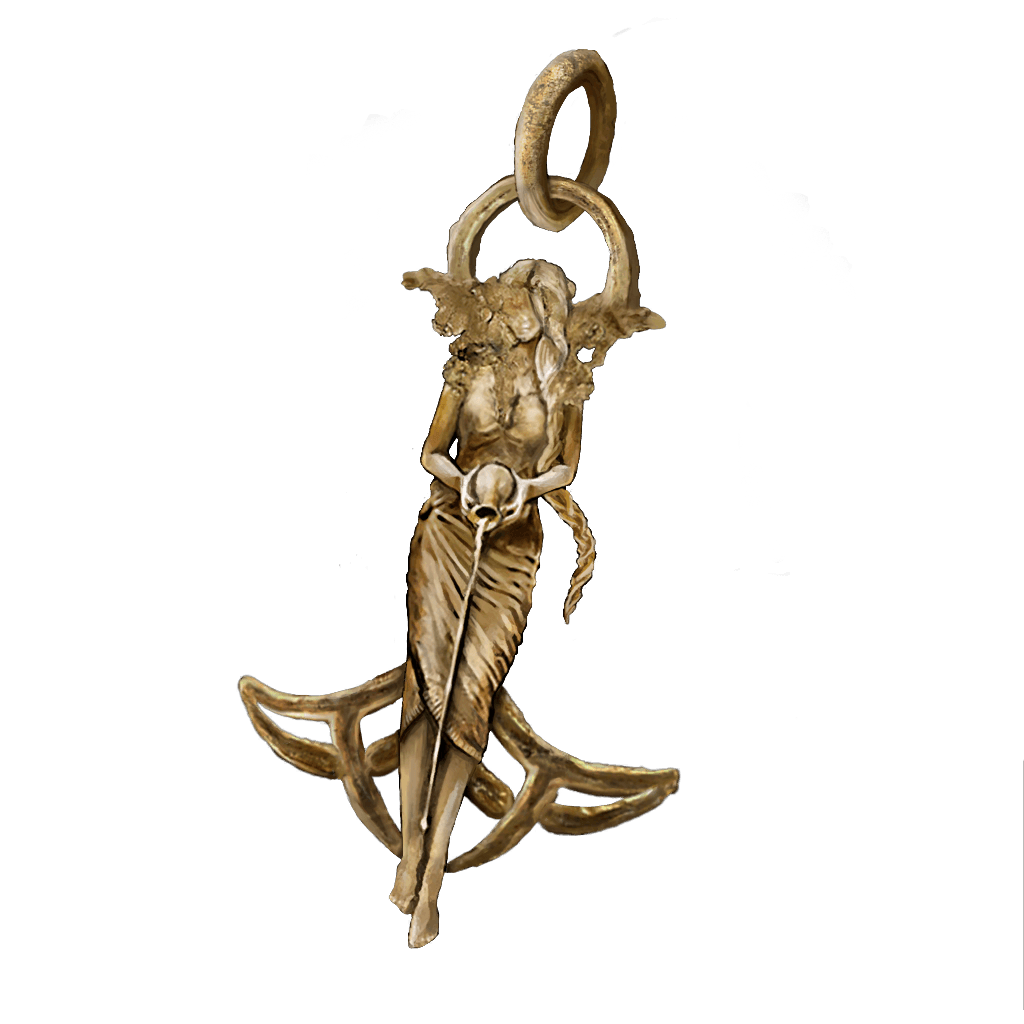
Not every enemy is vulnerable to Bleed.
Some late-game encounters have:
- High resistance
- Slow buildup
- Reduced effectiveness
When this happens, players assume their build is weak.
The build isn't the problem.
The target is.
Against resistant enemies, focus on:
- Jump attacks
- Weapon skill damage
- Raw attack rating
Instead of relying entirely on Hemorrhage.
Mistake #5: Poor Stat Distribution
Many players spread points everywhere.
Example:
- Strength 25
- Dexterity 25
- Arcane 25
- Faith 20
This creates a weak hybrid build.
A stronger level 150 Bleed setup would look like:
| Attribute | Value |
|---|---|
| Vigor | 60 |
| Mind | 20 |
| Endurance | 25 |
| Strength | 18 |
| Dexterity | 50 |
| Arcane | 45 |
The Best Bleed Weapons in 2026
Nagakiba
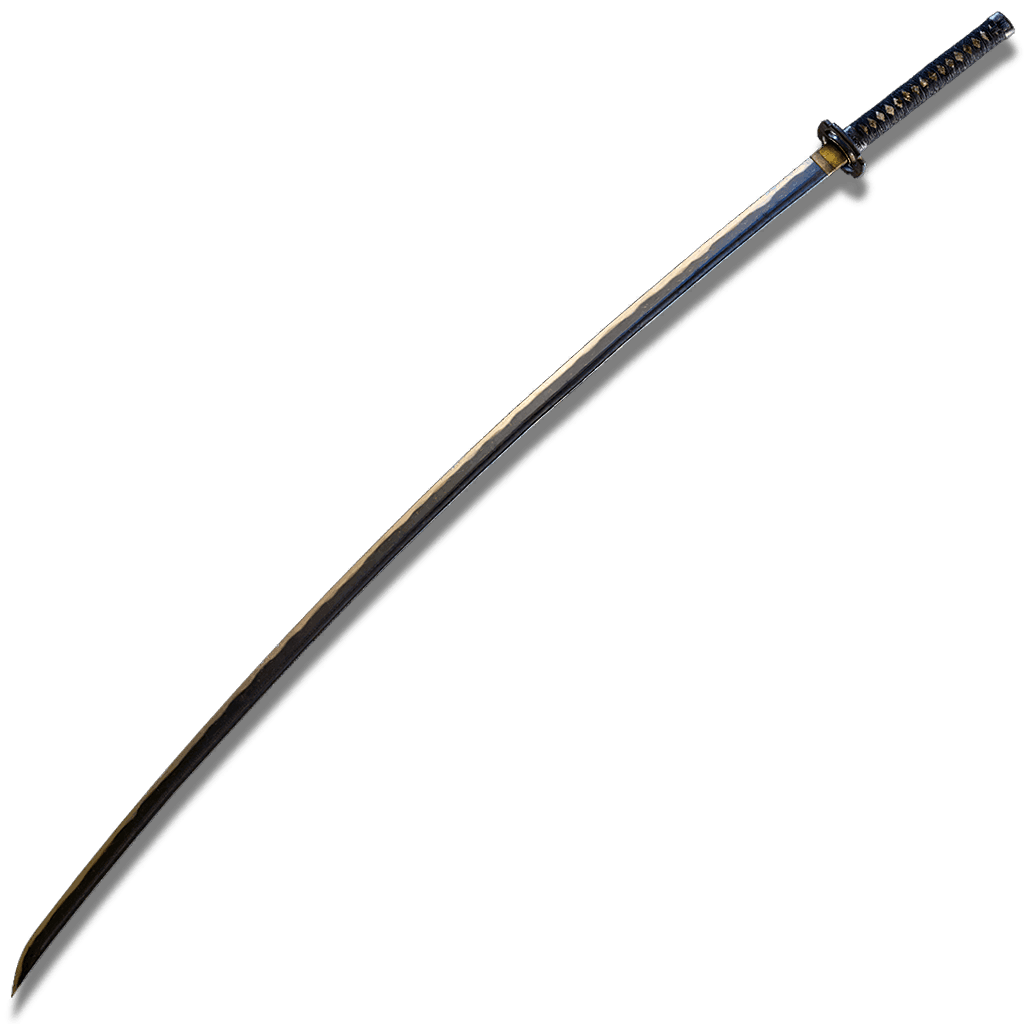
Best overall balance.
Rivers of Blood
Highest skill-based burst damage.
Blood Uchigatana
Best value weapon.
Eleonora's Poleblade
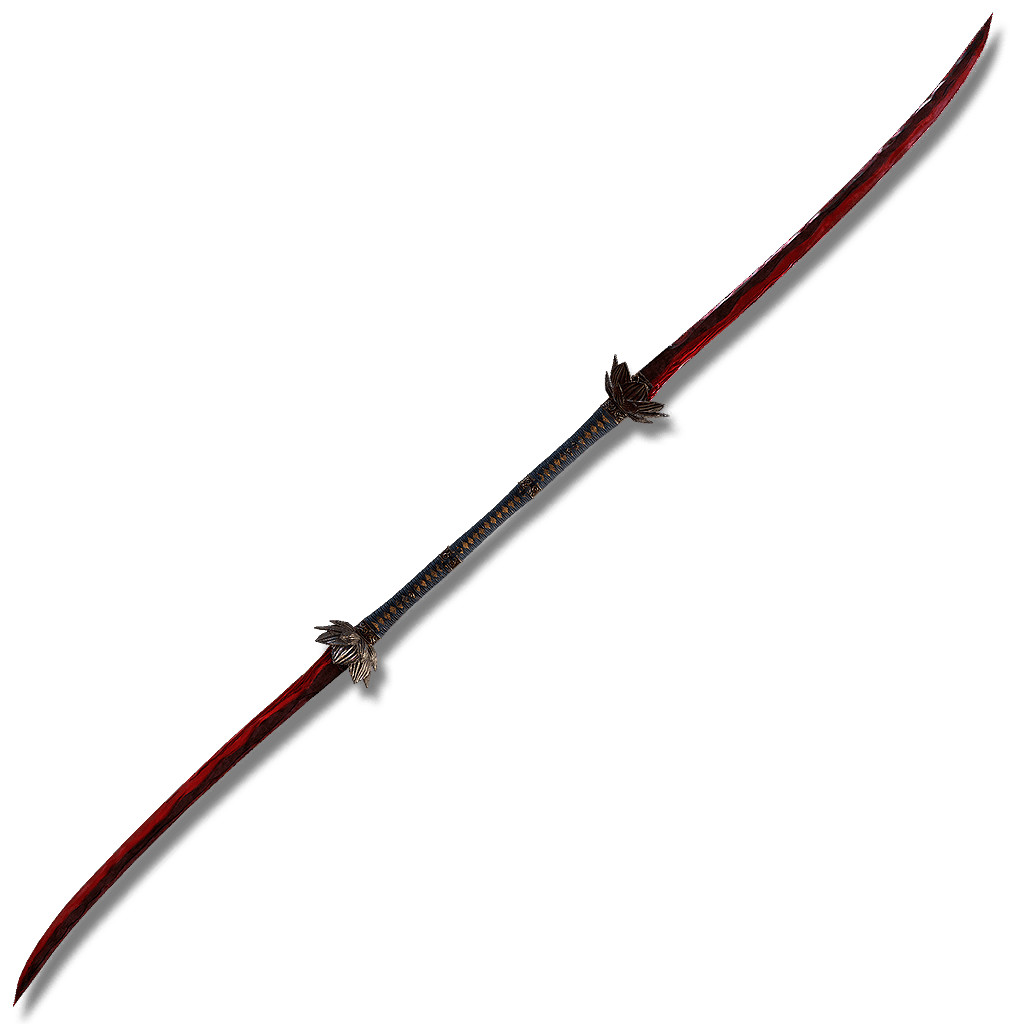
Excellent against aggressive bosses.
Quick Bleed Build Checklist
Before entering a boss fight, make sure:
- Vigor is at least 50
- Arcane is between 40–50
- Weapon is fully upgraded
- Lord of Blood's Exultation is equipped
- Medium Roll is maintained
- Flask setup is optimized
If all six conditions are met, your build is already stronger than most Bleed builds seen online.
Final Verdict
Most weak Bleed builds fail because of poor optimization, not because Bleed is weak.
Even in 2026, Bleed remains one of the strongest archetypes in Elden Ring.
The players who get the best results focus on:
- Proper Vigor
- Efficient Arcane investment
- Strong talisman synergy
- Correct weapon selection
Instead of blindly copying stats from random guides.
If you're unsure whether your build is optimized, use the Build Setup Planner to compare different stat allocations and identify wasted levels before spending a Larval Tear.